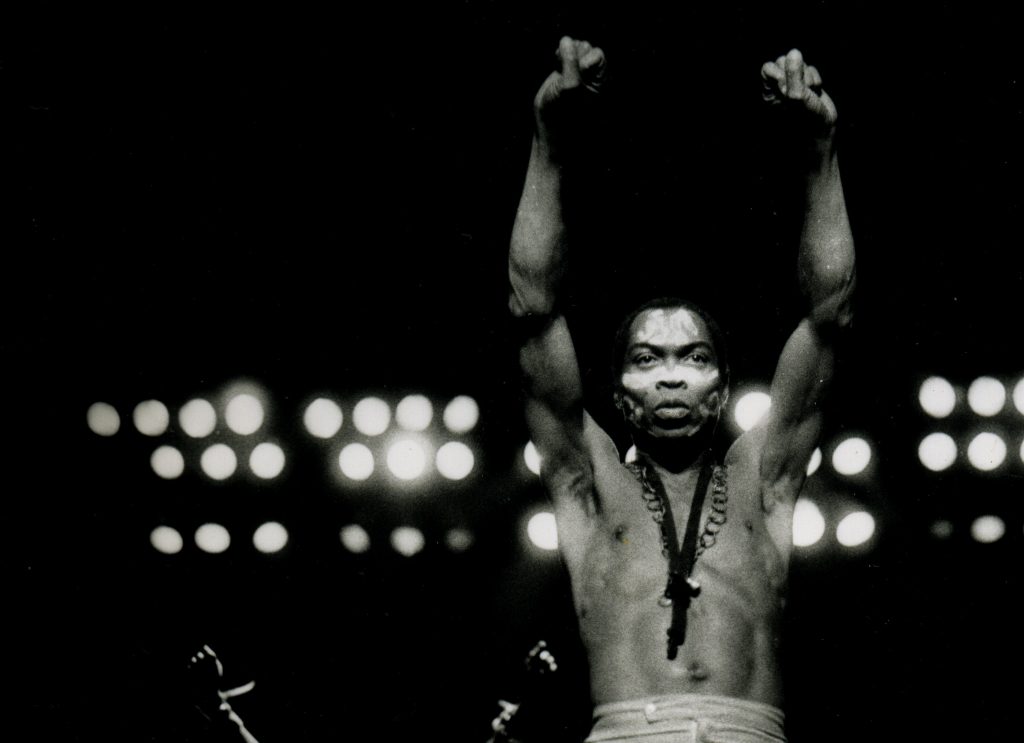
In the vibrant tapestry of global music, few genres carry the cultural weight, rhythmic complexity, and political fire of Afrobeat. This groundbreaking genre was pioneered by Nigerian musical icon Fela Aníkúlápó Kútì (born Olufela Olusegun Oludotun Ransome-Kuti on October 15, 1938, in Abeokuta, Nigeria). While Afrobeat took shape in the late 1960s and early 1970s, its impact has rippled far beyond Nigeria, influencing generations of musicians, activists, and listeners worldwide.
The Birth of Afrobeat
Afrobeat emerged from a rich interplay of West African musical traditions and Western influences. Its roots trace back to Highlife a genre developed in Ghana that blended local rhythms with jazz and calypso. Fela’s early career involved playing in the jazz and Highlife band Koola Lobitos, which later evolved into the legendary Africa ’70 (previously Nigeria ’70). Initially struggling to find his unique voice in the jazz scene, Fela experimented by fusing Highlife, jazz, and traditional African elements. He officially coined the term “Afrobeat” around 1968.
This new sound was eclectic and revolutionary. Fela blended the hypnotic grooves of West Africa with the tight, infectious rhythms of American funk particularly inspired by James Brown alongside elements of soul, jazz, R&B, reggae, and even psychedelic rock. The result was a genre that felt deeply African yet globally resonant.
Musical and Cultural Foundations
At its core, Afrobeat’s heartbeat is West African rhythm and melody. It draws heavily from Yoruba traditional chants, praise singing, and polyrhythms, which Fela wove into his song structures. As Made Kuti, Fela’s grandson, has described it, “Afrobeat is funk in the most cultural way.”
Fela’s instrumentation was innovative: he led with saxophone and keyboards, orchestrating large ensembles with layered percussion, brass sections, and tight rhythm groups. Vocally, he sang in Pidgin English the everyday language of Nigeria’s working class alongside Yoruba and English, ensuring his messages reached both local crowds and international audiences.
His album covers, often bold and satirical, reflected the music’s rebellious spirit.

Politics and Activism in Afrobeat
Afrobeat was never just music it was a powerful statement. Fela’s transformative 1969 trip to the United States, where he connected with Sandra Izsadore and was exposed to Black Panther activism and figures like Malcolm X, radicalized his worldview. He began infusing his lyrics with sharp political commentary on corruption, inequality, colonialism, and oppression in Nigeria and beyond.
Songs like “Zombie” (criticizing mindless soldiers), “Sorrow, Tears and Blood,” and others became anthems of resistance. Paired with irresistible grooves, Afrobeat made activism danceable, turning nightclubs into spaces for consciousness-raising.
Afrobeat Today
In 2026, Afrobeat (distinct from the pop-oriented Afrobeats) thrives and evolves. It inspires artists across Africa, Europe, and the Americas, blending with global sounds while retaining its rhythmic depth and activist edge. Fela’s vision of cultural pride, social justice, and musical innovation resonates anew.
More than a genre, Afrobeat remains a celebration of African identity, a rhythmic call to action, and proof of music’s power to challenge and change the world. Fela Kuti didn’t just create a sound he ignited a revolution that still grooves on.

