In the quiet of the Namibia Desert, where the iron-red dunes meet the Atlantic’s icy spray, you’ll find a landscape that feels more like a dream than a destination. Namibia isn’t just a place you visit, it’s a place that humbles you. From the world’s oldest desert to the sun-bleached shipwrecks of the Skeleton Coast, this is a land of vast horizons and profound silence. If you are looking for a journey that strips away the noise of modern life and replaces it with the raw pulse of the wild, welcome to the “Land of the Brave.”
Why Visit Namibia?
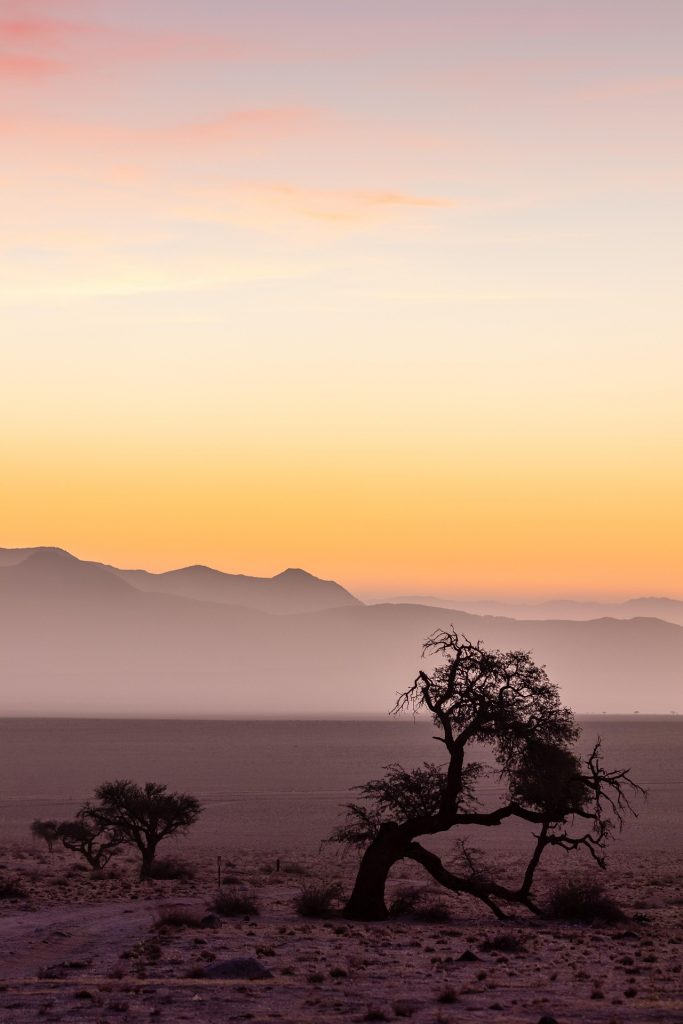
Namibia is a masterclass in contrasts. It is one of the least densely populated countries on earth, offering a sense of solitude that is becoming increasingly rare. Here, you can stand atop Dune 45 at sunrise, watching the sand shift from purple to a fiery orange, or track desert-adapted elephants through the dry riverbeds of Damaraland.
Unlike many other African destinations, Namibia is exceptionally well-suited for self-drive adventures. With a rugged 4×4 and a sense of direction, you have the freedom to navigate its gravel roads at your own pace. Whether it’s the celestial stargazing (Namibia is home to some of the world’s only International Dark Sky Reserves) or the chance to see the “Big Five” against a backdrop of white salt pans in Etosha, the country offers an unfiltered connection to nature.
The Creative Scene: Namibia’s Artistic Pulse
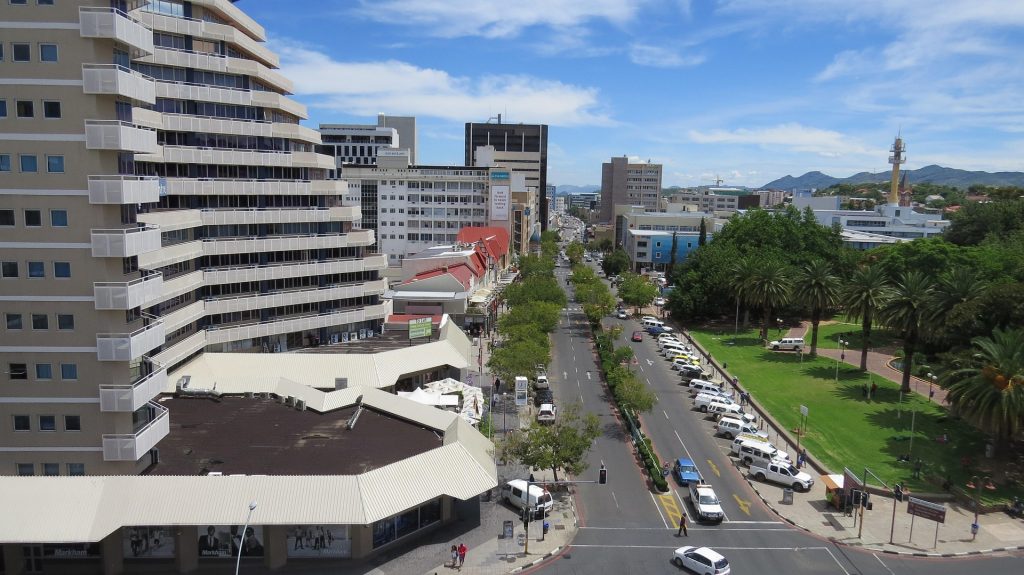
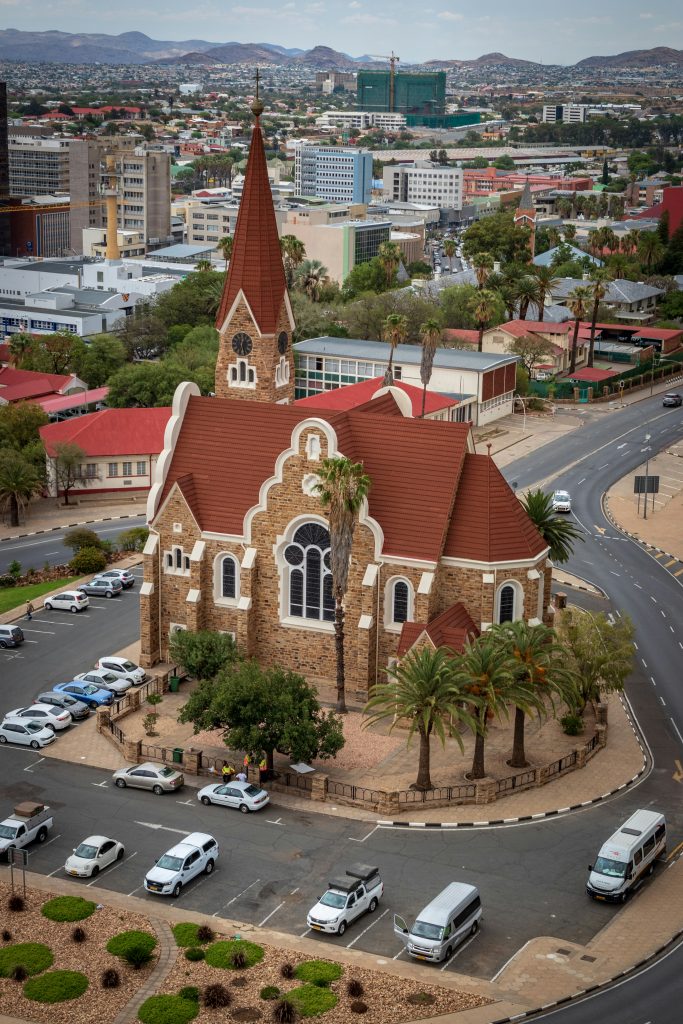
While the landscapes are the headliners, Namibia’s creative spirit is its heartbeat. In the capital, Windhoek, the art scene is a blend of indigenous heritage and contemporary resilience.
- The Enjando Street Festival: Held every March, this is Windhoek at its most vibrant. The streets erupt with traditional dancing, local music, and bright costumes, celebrating the diverse ethnic groups of the nation.
- Contemporary Spaces: Visit the National Art Gallery of Namibia (NAGN) or the Omba Gallery at the Namibia Craft Centre. Here, you’ll find everything from intricate Himba jewelry and Kavango woodcarvings to modern photography that explores the country’s complex colonial history.
- Swakopmund’s German Influence: This coastal town feels like a surreal Bavarian village dropped into the desert, famous for its colonial architecture and a thriving community of local painters and leather crafters.
Top Experiences: The Must-Do List
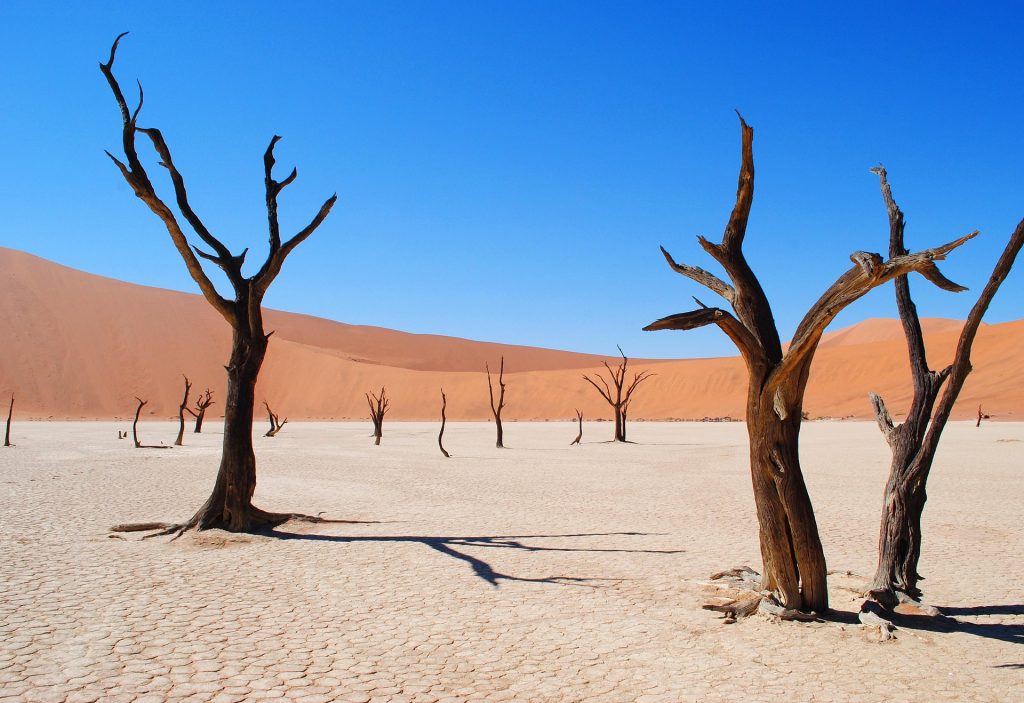
- Sossusvlei & Deadvlei: Walk among the 900-year-old skeletal camelthorn trees of Deadvlei, surrounded by some of the highest sand dunes in the world.
- Etosha National Park: Spend your days at a waterhole. During the dry season, you don’t even need to drive; the animals lions, rhinos, and massive herds of springbok will come to you.
- The Skeleton Coast: Take a scenic flight over the “Gates of Hell.” Seeing the rusted remains of ships being reclaimed by the desert sand is a haunting, unforgettable sight.
- Tracking Black Rhinos: Head to the Palmwag Concession for a guided trek on foot to see one of the world’s last free-roaming populations of desert-adapted black rhinos.
Hidden Gems: Off the Beaten Path
If you want to escape the main tourist circuit, head north or far south.
- Epupa Falls: Located on the border with Angola, these waterfalls are surrounded by ancient baobab trees. It’s an oasis in the Kunene region, far from the desert heat.
- Khaudum National Park: This is Namibia’s true wilderness. Only accessible by 4×4 (and usually in convoys), it offers a raw, rugged safari experience where you are more likely to see a wild dog than another human.
- Kolmanskop: A ghost town slowly being swallowed by sand dunes. Once a wealthy diamond mining hub, it is now a photographer’s playground of decaying Victorian architecture and ankle deep sand.
Food to Try: A Taste of the Desert
Namibian cuisine is a heavy-hitting mix of German influence and traditional African flavors.
- Kapana: The ultimate street food. Found in Windhoek’s Katutura market, this is beef grilled over open flames, seasoned with salt and chili, and eaten right off the grill.
- Game Meat: Being a land of vast plains, venison is a staple. Try Oryx steak, Kudu biltong, or Springbok carpaccio it’s lean, organic, and incredibly flavorful.
- German Pastries: Don’t leave Swakopmund without trying an Apple Strudel or a Schwarzwälder Kirschtorte (Black Forest cake).
- Lüderitz Oysters: Some of the best oysters in the world are harvested in the icy, nutrient-rich waters of the Atlantic coast.
Best Time to Visit
Namibia is a year-round destination, but your experience will change with the seasons:
- Dry Season (May to October): The best time for wildlife. As the land dries, animals congregate at waterholes. The days are sunny and mild (20°C–25°C), but nights can drop below freezing, especially in the desert.
- Shoulder Season (April & November): Great for photography. The air is clear, the dust is settled, and the landscapes are starting to turn green.
- Rainy Season (January to March): Hot and humid. While game viewing is harder because the animals disperse, it is the best time for birdwatching and seeing newborn animals.
Essential Travel Tips
Rent a 4×4: Even if you aren’t “off-roading,” the gravel roads (C-roads) can be treacherous. A 4×4 provides better clearance and stability.
Drive Slow: The most common cause of accidents for tourists is speeding on gravel. Keep it under 80 km/h.
Stock Up: Outside of major towns like Windhoek and Swakopmund, fuel stations and supermarkets are sparse. Never pass a fuel pump without topping up.
Water is Gold: Always carry at least 5–10 liters of extra water per person when driving through remote areas.
Tipping: A tip of 10% is standard in restaurants. In Namibia, car guards are common; a small tip (N$5–10) to watch your vehicle is appreciated.
Conclusion
Namibia is not a destination for the faint of heart, but for those who crave the profound beauty of a planet left untouched, it is unparalleled. It is a place that reminds you how small we are in the grand scheme of time. Whether you’re staring at the stars in the Namib-Naukluft or sharing a laugh with a local over a plate of Kapana, Namibia will leave a piece of the desert in your soul.

